Sheridan, Wyoming · Est. 2016
Coffee by the season
A small roastery at the north end of Brooks Street.
The Almanac
A book of what grew, when, and how it tasted

An almanac is a record kept year over year — when to plant, when to cut, what the weather did the last time it looked like this. Every lot that comes through the roaster gets a page: the farm, the altitude, and the week it landed.
Coffee is agricultural, harvests arrive when they arrive, and a bag that was extraordinary in March is only good by August.
Roasted in small batches
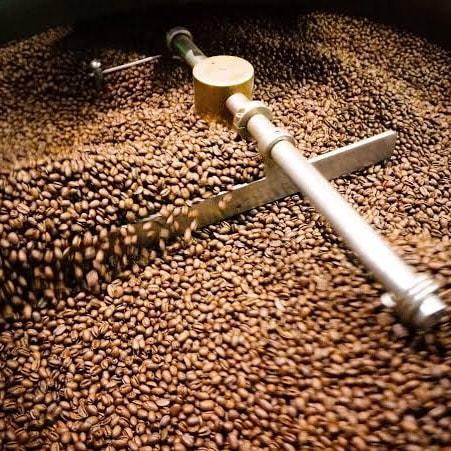
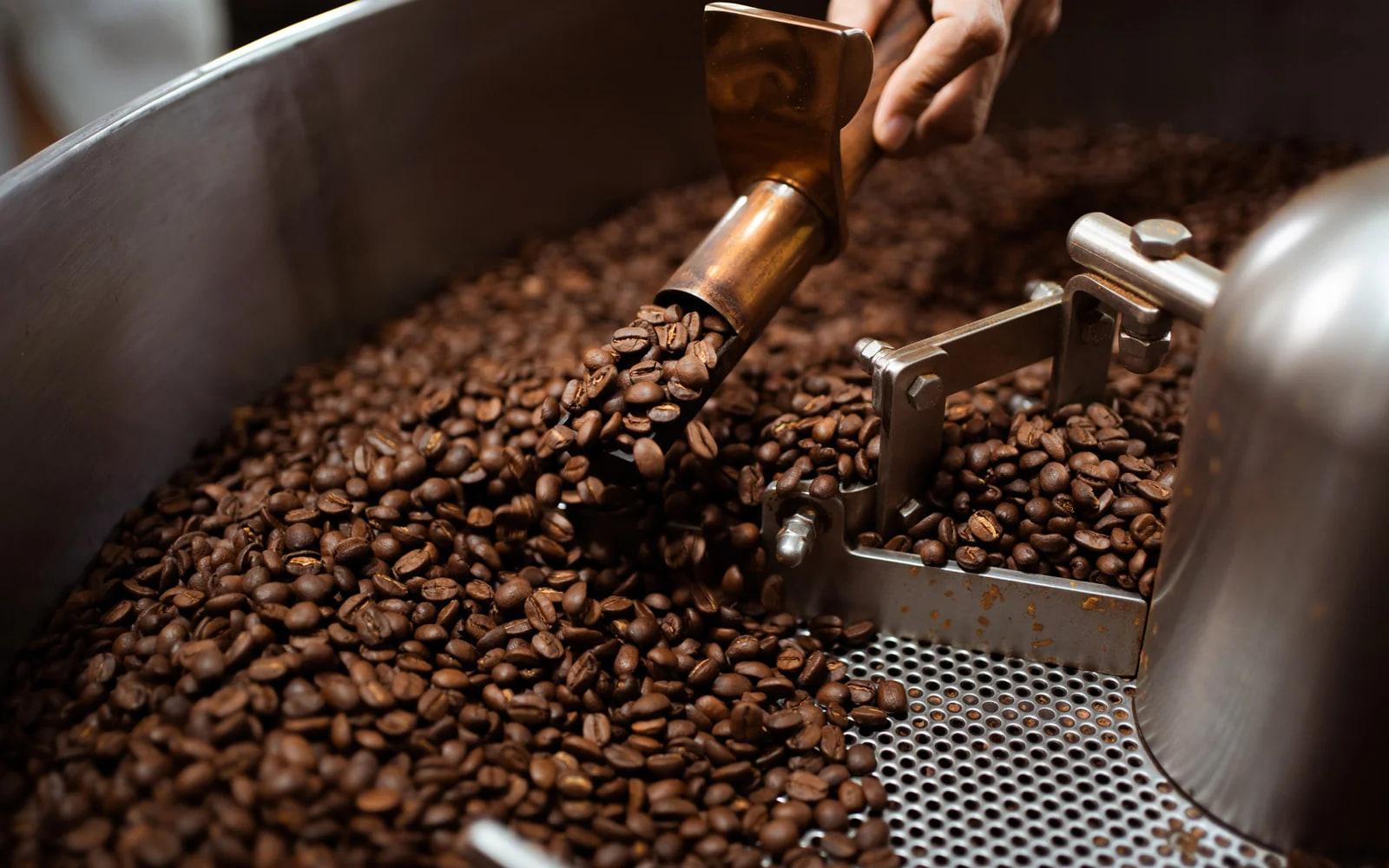
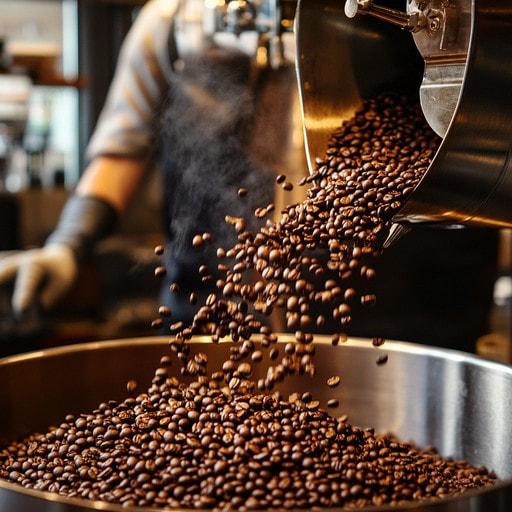
Twelve kilos at a time, on a 1958 drum we rebuilt ourselves. Every bag leaves within a week of its roast date.
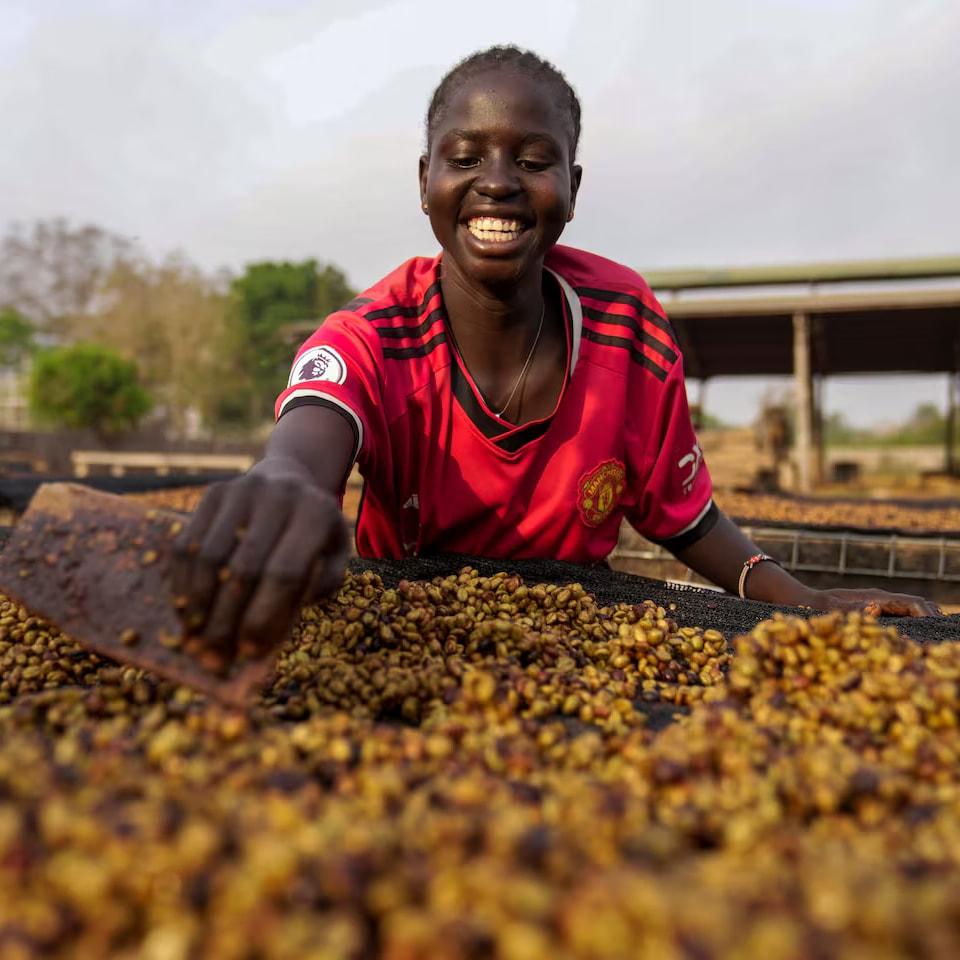
Bought by the harvest
We buy for the season rather than the year, so the shelf changes and the notes printed on it are true.
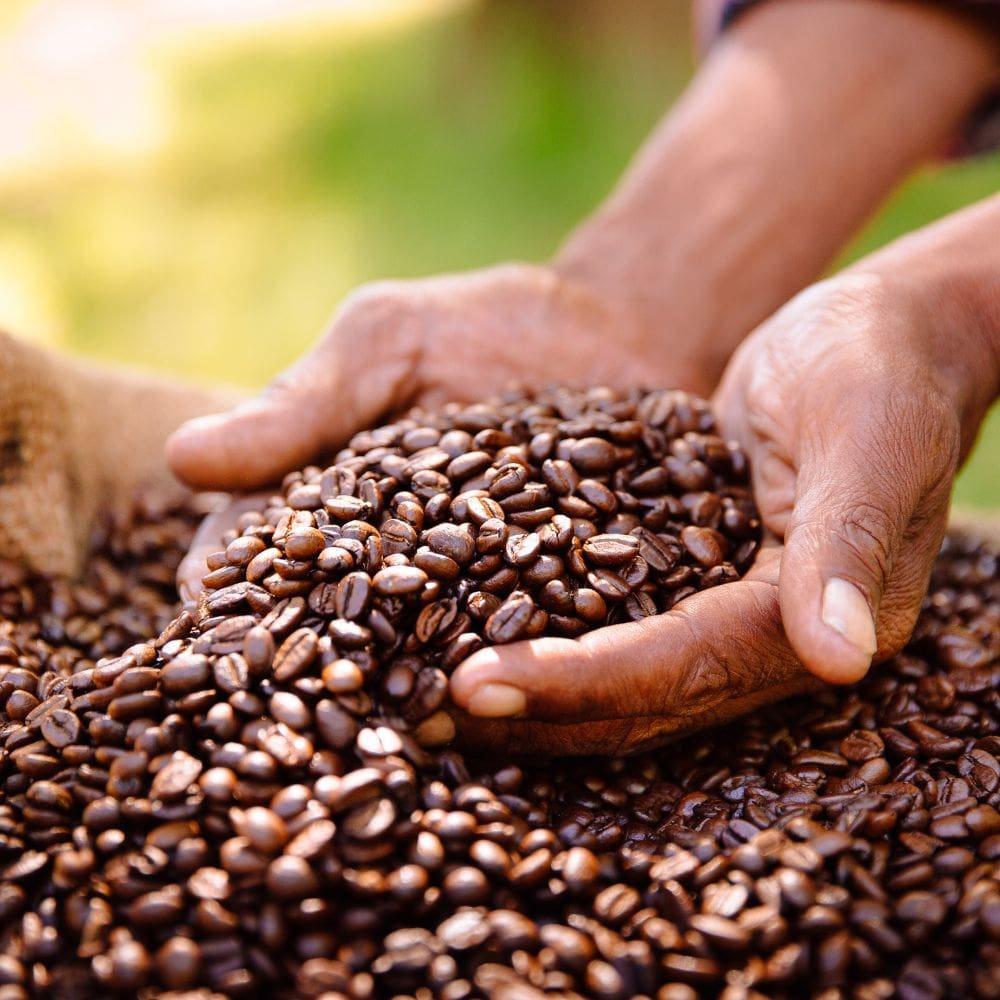
Whole until it’s sold
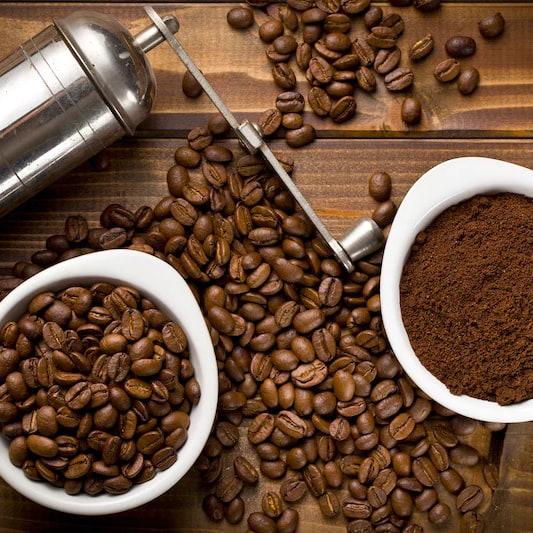
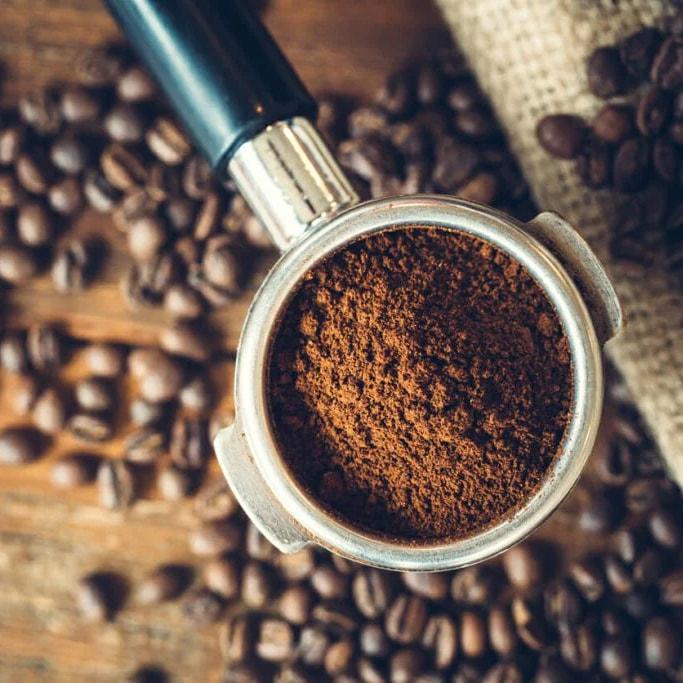
Nothing on the shelf meets a grinder until someone buys it. Coffee starts going flat within minutes of being ground, so we leave that step for last.
In season
From the tree to your grinder
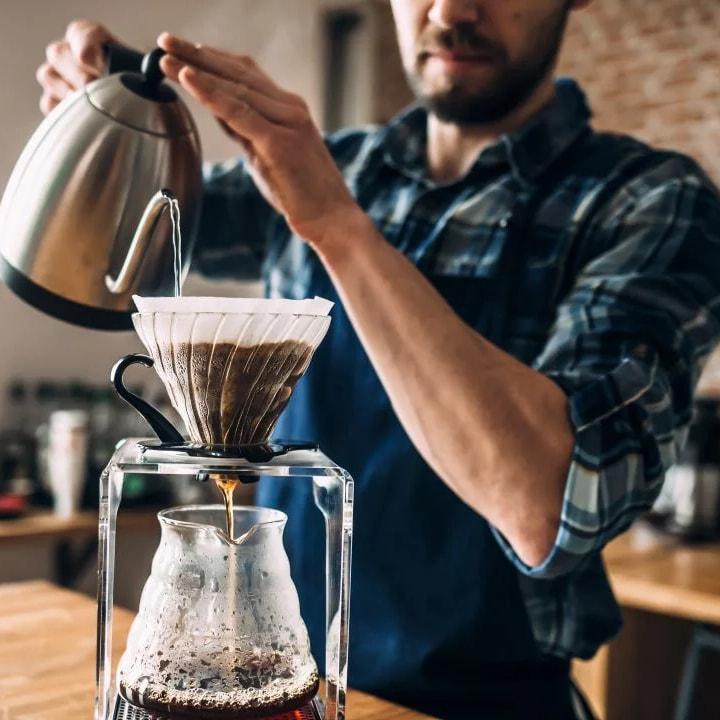
Where this month’s coffee came from, how we roasted it, and how it leaves the building.
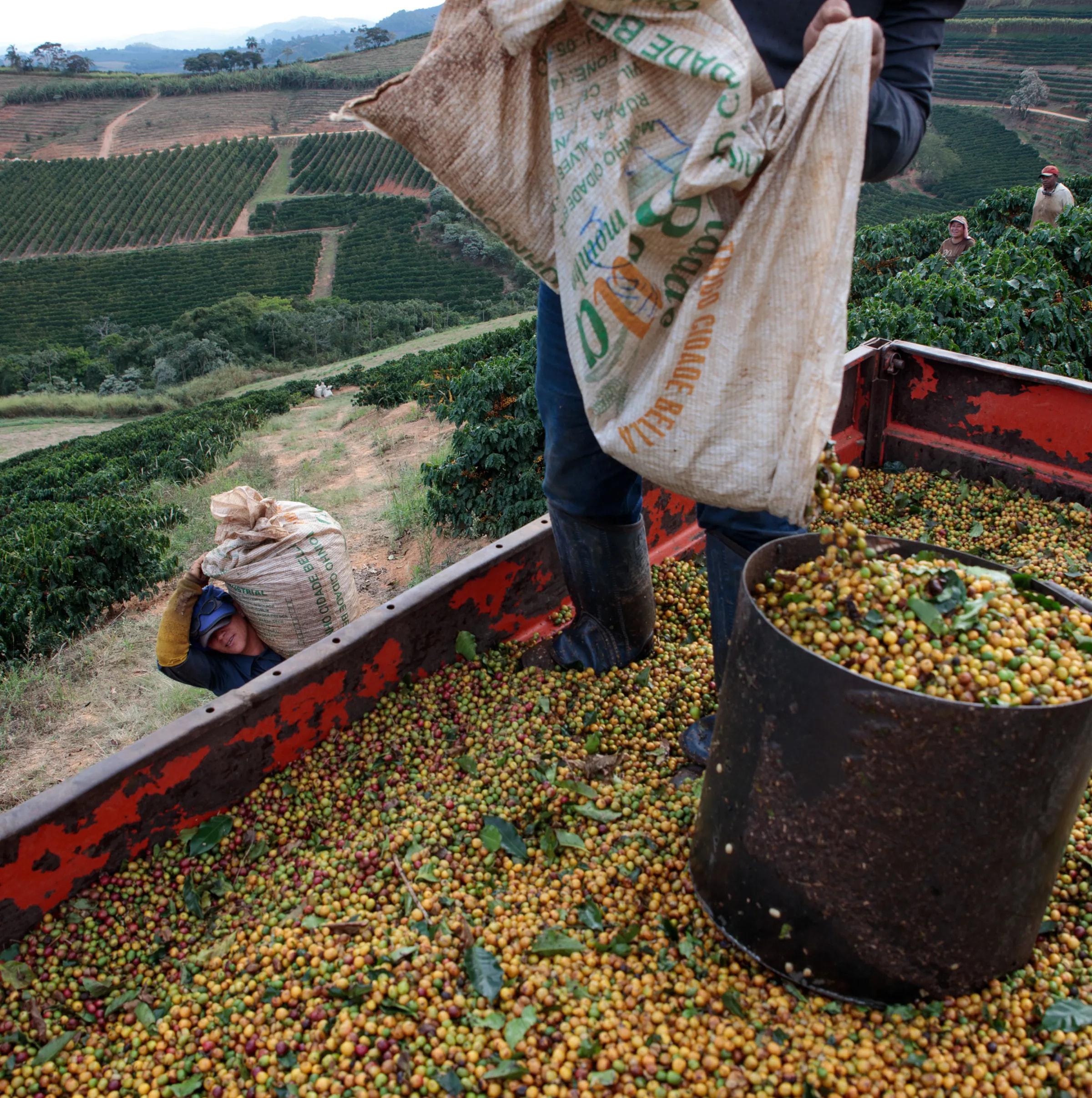
“The shelf changes because the harvest does.”
The room
Mornings on Brooks Street
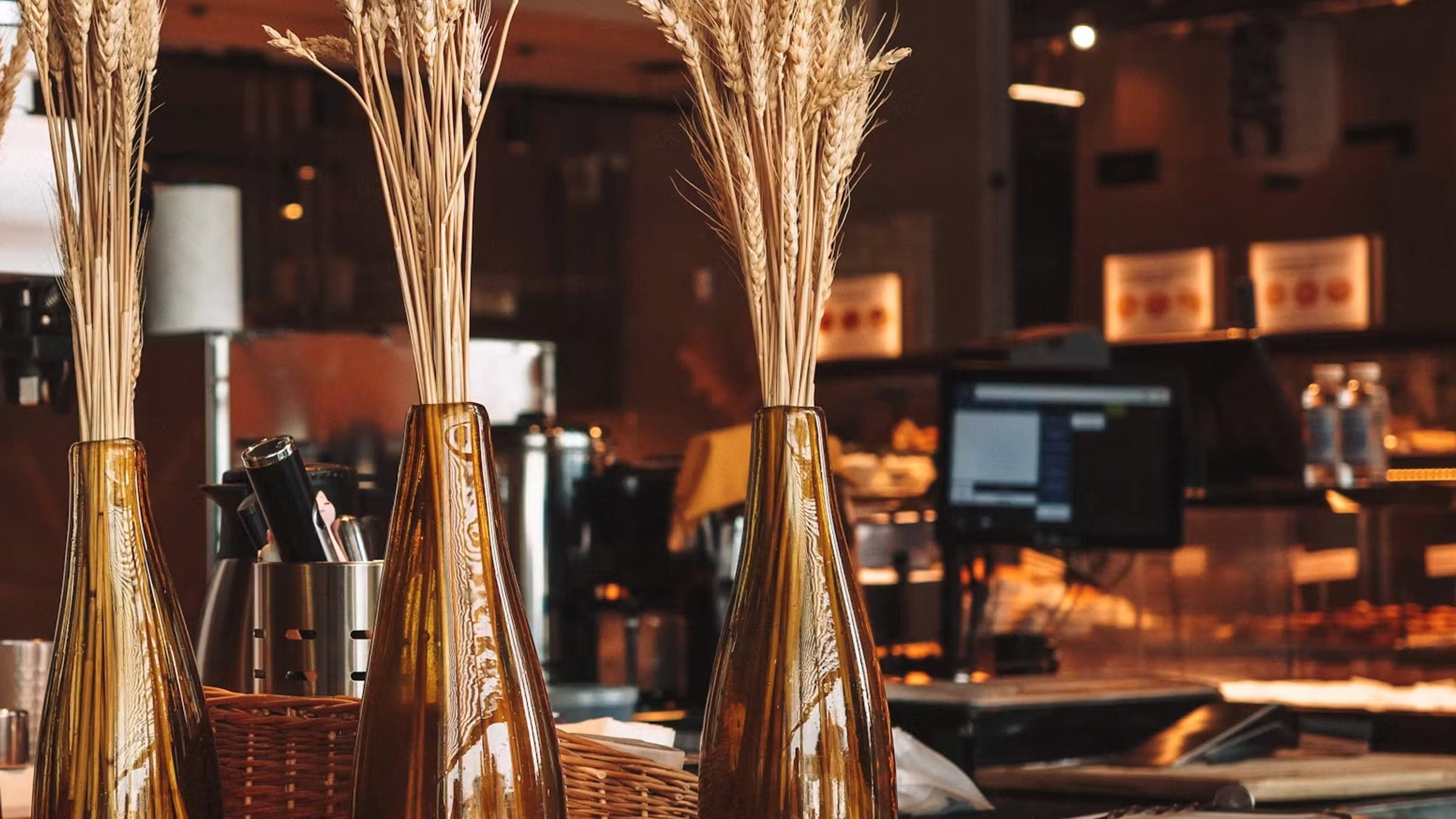
Six frames from an ordinary week.